La plaza: five easy Spanish short stories for beginners
Five short stories written for learners · ~1,500 words · level A2 · in English: The Square
Five short stories about one small square in Spain: a man who thinks a bench is his, a waiter on his first day, a suitcase that belongs to a clown, a tortilla with a secret, and a coat of green paint. Short sentences and everyday words. The first two stories are in the present tense, the others add the past tenses.
Start reading All five stories are on this page. No account needed.The five stories
Read each Spanish sentence first and decide what you think it means, then tap it for the English translation and tap any word for its meaning.
With a free Lexico account you read the same stories in the app and also get the full conjugation of every verb, flashcards from the words you tap, and your place kept in every book. Open La plaza in Lexico.
El banco
The Bench
En la plaza de San Marcos hay cuatro bancos. Tres son normales. El cuarto es el banco de Ernesto.
In the Plaza de San Marcos there are four benches. Three are ordinary. The fourth is Ernesto's bench.
Ernesto tiene setenta y dos años. Todos los días, a las diez de la mañana, llega a la plaza con su periódico. Se sienta en su banco, debajo del naranjo, y lee. A las doce va al bar de Carmen. Siempre igual.
Ernesto is seventy-two years old. Every day, at ten in the morning, he arrives in the square with his newspaper. He sits down on his bench, under the orange tree, and reads. At twelve he goes to Carmen's bar. Always the same.
Un lunes, Ernesto llega a las diez y ve algo terrible: hay una mujer en su banco. Tiene el pelo blanco, un abrigo rojo y un libro muy gordo.
One Monday, Ernesto arrives at ten and sees something terrible: there is a woman on his bench. She has white hair, a red coat and a very thick book.
Ernesto no dice nada. Se sienta en otro banco, al sol. Tiene calor. No puede leer.
Ernesto says nothing. He sits down on another bench, in the sun. He is hot. He can't read.
«Mañana vengo antes», piensa.
“Tomorrow I'll come earlier,” he thinks.
El martes llega a las nueve y media. La mujer ya está allí, con su libro.
On Tuesday he arrives at half past nine. The woman is already there, with her book.
El miércoles llega a las nueve. La mujer está allí.
On Wednesday he arrives at nine. The woman is there.
El jueves llega a las ocho. Hace frío y la plaza está vacía. Pero no: el abrigo rojo ya está debajo del naranjo.
On Thursday he arrives at eight. It is cold and the square is empty. But no: the red coat is already under the orange tree.
—No es posible —dice Ernesto en voz baja—. Esta mujer no duerme.
“It's not possible,” Ernesto says quietly. This woman doesn't sleep.
El viernes, Ernesto se levanta a las cinco. Todavía es de noche. Sale de casa sin desayunar y camina rápido. Llega a la plaza a las seis menos cuarto. Por fin, el banco está libre.
On Friday, Ernesto gets up at five. It is still dark. He leaves home without having breakfast and walks fast. He arrives in the square at a quarter to six. At last, the bench is free.
Pero por la otra calle llega alguien que también camina rápido. Es la mujer del abrigo rojo. Los dos llegan al banco al mismo tiempo. Los dos se paran y se miran.
But along the other street comes someone who is also walking fast. It is the woman in the red coat. The two of them reach the bench at the same time. They both stop and look at each other.
—Buenos días —dice ella—. Usted también se levanta temprano.
“Good morning,” she says. You get up early too.
—Yo no —dice Ernesto—. Yo me levanto a las nueve. Pero este es mi banco.
“Not me,” says Ernesto. I get up at nine. But this is my bench.
La mujer se ríe.
The woman laughs.
—¿Su banco? Yo vengo aquí todas las tardes desde hace veinte años. Pero esta semana, por las tardes, cuido a mi nieta.
“Your bench?” I have been coming here every afternoon for twenty years. But this week, in the afternoons, I'm looking after my granddaughter.
Ernesto mira el banco. Es un banco grande.
Ernesto looks at the bench. It is a big bench.
—Bueno —dice—. Hay sitio para dos.
“All right,” he says. There is room for two.
Se sientan. Ella abre su libro. Él abre su periódico. Son las seis de la mañana y no hay luz para leer, pero ninguno de los dos dice nada.
They sit down. She opens her book. He opens his newspaper. It is six in the morning and there is no light to read by, but neither of them says anything.
Lo de siempre
The Usual
Dani tiene diecinueve años y hoy es su primer día de trabajo. Es camarero en el bar de Carmen, en la plaza de San Marcos. Está un poco nervioso.
Dani is nineteen and today is his first day at work. He is a waiter in Carmen's bar, in the Plaza de San Marcos. He is a little nervous.
—Es fácil —dice Carmen—. Preguntas, escuchas y traes las cosas. Yo estoy en la cocina.
“It's easy,” says Carmen. You ask, you listen and you bring the things. I'm in the kitchen.
A las doce entra un señor mayor con un periódico. Se sienta en la mesa de la ventana.
At twelve, an elderly gentleman comes in with a newspaper. He sits down at the table by the window.
—Buenos días —dice Dani—. ¿Qué quiere tomar?
“Good morning,” says Dani. “What would you like?”
—Lo de siempre —dice el señor, y abre el periódico.
“The usual,” says the gentleman, and opens his newspaper.
Dani no sabe qué es «lo de siempre». Es su primer día. Pero no quiere preguntar. Piensa un momento. Un señor mayor, por la mañana… ¡Un café!
Dani doesn't know what “the usual” is. It's his first day. But he doesn't want to ask. He thinks for a moment. An elderly gentleman, in the morning… A coffee!
Trae un café con leche. El señor mira el café, mira a Dani y sonríe.
He brings a coffee with milk. The gentleman looks at the coffee, looks at Dani and smiles.
—Gracias, joven. Pero esto no es lo de siempre.
“Thank you, young man.” But this isn't the usual.
Y se bebe el café.
And he drinks the coffee.
Dani vuelve con una tostada con tomate.
Dani comes back with a piece of toast with tomato.
—Muy rica —dice el señor—. Pero no es lo de siempre.
“Very tasty,” says the gentleman. But it isn't the usual.
Y se come la tostada.
And he eats the toast.
Dani trae un zumo de naranja. Después, un trozo de tortilla. Después, unas aceitunas. El señor come y bebe todo, muy contento, y siempre dice lo mismo:
Dani brings an orange juice. Then a piece of tortilla. Then some olives. The gentleman eats and drinks everything, very pleased, and always says the same thing:
—No, no. Lo de siempre.
“No, no.” The usual.
Por fin, Carmen sale de la cocina. Ve la mesa llena de platos y vasos.
At last, Carmen comes out of the kitchen. She sees the table full of plates and glasses.
—¡Ernesto! ¿Qué es todo esto?
“Ernesto! What is all this?”
—Tu camarero nuevo es muy simpático —dice Ernesto.
“Your new waiter is very nice,” says Ernesto.
—Dani —dice Carmen—, lo de siempre es un vaso de agua. Nada más. Este señor viene todos los días, lee el periódico dos horas y no gasta ni un euro.
“Dani,” says Carmen, “the usual is a glass of water.” Nothing else. This gentleman comes every day, reads the newspaper for two hours and doesn't spend a single euro.
Dani se pone rojo. Carmen saca un papel y un bolígrafo, y escribe.
Dani turns red. Carmen takes out a piece of paper and a pen, and writes.
—Un café, una tostada, un zumo, tortilla y aceitunas. Son once euros, Ernesto.
“A coffee, a piece of toast, a juice, tortilla and olives.” That's eleven euros, Ernesto.
Ernesto cierra el periódico despacio.
Ernesto closes the newspaper slowly.
—¿Y el vaso de agua?
“And the glass of water?”
—El agua es gratis —dice Carmen—. Como siempre.
“The water is free,” says Carmen. As always.
La maleta
The Suitcase
El sábado pasado, Amparo fue a Madrid en tren para ver a su hermana. Llevaba su abrigo rojo y una maleta negra.
Last Saturday, Amparo went to Madrid by train to see her sister. She was wearing her red coat and carrying a black suitcase.
En la estación de Madrid había mucha gente. Amparo bajó del tren, recogió su maleta y buscó un taxi.
In the Madrid station there were a lot of people. Amparo got off the train, picked up her suitcase and looked for a taxi.
En casa de su hermana, abrió la maleta. Dentro no estaba su ropa. Había una nariz roja, una peluca verde, unos zapatos enormes y veinte globos.
At her sister's house, she opened the suitcase. Her clothes weren't inside. There was a red nose, a green wig, a pair of enormous shoes and twenty balloons.
Amparo gritó:
Amparo shouted:
—¡Pilar! ¡Esta no es mi maleta!
“Pilar! This isn't my suitcase!”
Su hermana miró dentro y empezó a reír.
Her sister looked inside and started to laugh.
—¿Desde cuándo eres payasa?
“Since when are you a clown?”
En la maleta había también una tarjeta con un nombre, «Payaso Tico», y un número de teléfono. Amparo llamó. Contestó un hombre. Hablaba muy bajo.
In the suitcase there was also a card with a name, “Tico the Clown”, and a phone number. Amparo called. A man answered. He was speaking very quietly.
—¿Diga?
“Hello?”
—Buenas tardes. Creo que tengo su maleta.
“Good afternoon.” I think I have your suitcase.
—¡Y yo tengo la suya, señora! Pero ahora no puedo hablar. Estoy en un cumpleaños, hay veinte niños y empiezo en dos minutos. Nos vemos a las ocho en la estación.
“And I have yours, madam!” But I can't talk now. I'm at a birthday party, there are twenty children and I start in two minutes. See you at eight at the station.
A las ocho, Amparo esperaba en la estación con la maleta. Llegó un hombre joven, alto y muy serio. No parecía un payaso.
At eight, Amparo was waiting at the station with the suitcase. A young man arrived, tall and very serious. He didn't look like a clown.
—Perdone, señora —dijo—. Tuve que abrir su maleta. No tenía mis cosas, y los niños esperaban.
“Excuse me, madam,” he said. I had to open your suitcase. I didn't have my things, and the children were waiting.
—¿Y qué hizo?
“And what did you do?”
El hombre se puso un poco rojo.
The man turned a little red.
—Salí con su pijama de flores y sus zapatillas. Y leí una página de su libro en voz alta, con el libro al revés.
“I went on in your flowery pyjamas and your slippers.” And I read a page of your book aloud, with the book upside down.
—¿Y los niños?
“And the children?”
—Se rieron muchísimo. Más que nunca.
“They laughed and laughed.” More than ever.
Amparo le dio su maleta y recogió la suya. El payaso no se fue.
Amparo gave him his suitcase and picked up her own. The clown didn't leave.
—Una pregunta, señora —dijo—. ¿Dónde compró ese pijama? Quiero uno igual.
“One question, madam,” he said. “Where did you buy those pyjamas?” I want some just like them.
La mejor tortilla
The Best Tortilla
Todo el barrio lo decía: la tortilla del bar de Carmen era la mejor de la ciudad. Los domingos, la gente hacía cola para comprar un trozo.
The whole neighbourhood said so: the tortilla at Carmen's bar was the best in the city. On Sundays, people queued to buy a piece.
Un día vino un periodista. Comió dos trozos y preguntó:
One day a journalist came. He ate two pieces and asked:
—¿Cuál es el secreto? ¿La cebolla? ¿Los huevos? ¿El aceite?
“What's the secret? The onion? The eggs? The oil?”
—Es un secreto de familia —contestó Carmen, y no dijo más.
“It's a family secret,” Carmen answered, and said no more.
Dani trabajaba en el bar desde enero. Sabía hacer café, tostadas y bocadillos. Pero nunca veía a Carmen hacer la tortilla. Cuando él llegaba, a las ocho, las tortillas ya estaban en la barra, calientes.
Dani had worked in the bar since January. He knew how to make coffee, toast and sandwiches. But he never saw Carmen make the tortilla. When he arrived, at eight, the tortillas were already on the counter, warm.
Una mañana, Dani se levantó muy temprano y llegó al bar a las seis. El bar estaba cerrado, pero había luz en la cocina. Dani miró por la ventana.
One morning, Dani got up very early and arrived at the bar at six. The bar was closed, but there was a light on in the kitchen. Dani looked through the window.
Carmen no estaba. En la cocina había una mujer muy mayor y muy pequeña, con un delantal blanco. Cantaba una canción antigua y daba la vuelta a una tortilla enorme.
Carmen wasn't there. In the kitchen there was a very old, very small woman in a white apron. She was singing an old song and flipping an enormous tortilla.
Dani abrió la puerta. La mujer lo miró sin miedo.
Dani opened the door. The woman looked at him without fear.
—Tú eres Dani —dijo—. Mi hija habla mucho de ti. Yo soy Remedios. Tengo ochenta y seis años y hago estas tortillas desde 1962.
“You're Dani,” she said. My daughter talks about you a lot. I'm Remedios. I'm eighty-six and I've been making these tortillas since 1962.
—Pero ¿por qué es un secreto?
“But why is it a secret?”
—Porque mi médico come aquí todos los días —dijo Remedios—. Y él cree que yo descanso en casa.
“Because my doctor eats here every day,” said Remedios. And he thinks I'm resting at home.
Le dio a Dani un trozo de tortilla caliente.
She gave Dani a piece of warm tortilla.
—Ahora tú también tienes un secreto, hijo. Y ahora, pela esas patatas.
“Now you have a secret too, my boy.” And now, peel those potatoes.
El banco verde
The Green Bench
Un domingo apareció un cartel en la plaza: «El lunes hay obras en la plaza: no usar los bancos».
One Sunday a sign appeared in the square: “Works in the square on Monday: do not use the benches.”
Ernesto leyó el cartel tres veces.
Ernesto read the sign three times.
—Van a quitar los bancos —dijo—. Van a quitar mi banco.
“They're going to take the benches away,” he said. They're going to take my bench away.
—Nuestro banco —dijo Amparo.
“Our bench,” said Amparo.
Ernesto fue al bar y habló con Carmen. Carmen habló con Dani. Dani habló con todo el barrio.
Ernesto went to the bar and spoke to Carmen. Carmen spoke to Dani. Dani spoke to the whole neighbourhood.
El lunes, a las siete de la mañana, había treinta personas en la plaza. Ernesto y Amparo estaban sentados en su banco. Lucía, la nieta de Amparo, tenía un cartel muy grande: «Los bancos son nuestros». Carmen llegó con café y tortilla para todos.
On Monday, at seven in the morning, there were thirty people in the square. Ernesto and Amparo were sitting on their bench. Lucía, Amparo's granddaughter, had a very big sign: “The benches are ours.” Carmen arrived with coffee and tortilla for everyone.
A las ocho llegó una furgoneta del ayuntamiento. Bajaron dos hombres.
At eight a van from the town council arrived. Two men got out.
—Buenos días —dijo uno—. ¿Qué pasa aquí? ¿Hay una fiesta?
“Good morning,” said one of them. “What's going on here? Is there a party?”
Ernesto gritó:
Ernesto shouted:
—¡No vamos a movernos! ¡Ustedes no van a quitar este banco!
“We're not going to move! You're not going to take this bench away!”
Los dos hombres se miraron.
The two men looked at each other.
—¿Quitar? Nosotros no quitamos nada, señor. Somos pintores. Venimos a pintar los bancos. De verde.
“Take away?” We're not taking anything away, sir. We're painters. We've come to paint the benches. Green.
Nadie habló. Lucía bajó su cartel.
Nobody spoke. Lucía lowered her sign.
—¿Solo pintar?
“Only paint them?”
—Solo pintar. Pero tienen que levantarse.
“Only paint them.” But you have to get up.
Los vecinos se rieron. Tomaron el café y comieron la tortilla con los pintores. Después, todos volvieron a casa.
The neighbours laughed. They drank the coffee and ate the tortilla with the painters. Then everyone went back home.
Por la tarde, los bancos estaban muy bonitos. En cada banco había un papel: «Recién pintado: no sentarse».
In the afternoon, the benches looked very nice. On each bench there was a note: “Wet paint: do not sit.”
Ernesto llegó con su periódico abierto. No miró el banco y no vio el papel. Se sentó debajo del naranjo, como siempre, y leyó una hora.
Ernesto arrived with his newspaper open. He didn't look at the bench and he didn't see the note. He sat down under the orange tree, as always, and read for an hour.
Cuando se levantó, Amparo empezó a reír. Lucía también. Y Carmen, desde la puerta del bar.
When he got up, Amparo started to laugh. Lucía too. And Carmen, from the door of the bar.
Hoy, en la plaza de San Marcos hay cuatro bancos verdes. Y hay un señor con un pantalón de rayas verdes. Él dice que es la moda.
Today, in the Plaza de San Marcos there are four green benches. And there is a gentleman in trousers with green stripes. He says it's the fashion.
Keep the words you learned. Sign in to Lexico, free, and read La plaza there: you get the full conjugation of every verb, flashcards from the words you tap, and your place kept in every book. When these stories feel easy, the shelf has the next step.
Open in LexicoWords from these stories
20 words from the stories, with the meaning they have here.
| Spanish | English |
|---|---|
| la plaza | plaza, town square |
| cuatro | four |
| tres | three |
| normal | ordinary |
| cuarto | fourth |
| setenta | seventy |
| el año | year |
| el día | day |
| diez | ten |
| la mañana | the morning |
| el periódico | newspaper |
| sentar | to sit down, have a seat |
| el naranjo | orange tree |
| leer | to read |
| doce | twelve |
| igual | equal, same |
| el lunes | Monday |
| ver | to see, to spot |
| terrible | terrible, awful |
| la mujer | woman |
More Spanish books with English translation
El almohadón de plumas
Horacio Quiroga · 1907 · ~1,000 words · level B1 · in English: The Feather Pillow
A young bride wastes away in a cold, silent house, and nobody can find out why. Horacio Quiroga’s best-known horror story, and the shortest book on Lexico.
La gallina degollada
Horacio Quiroga · 1909 · ~4,500 words · level B1–B2 · in English: The Decapitated Chicken
An illness leaves a couple’s four sons severely disabled, and all their hopes move to their healthy daughter. A short, brutal horror story by Quiroga.
Los ojos sombríos
Horacio Quiroga · ~6,000 words · level B2 · in English: The Dark Eyes
At a dance, a man just out of a break-up listens to an old friend’s tangled love story. Quiroga in a romantic, feverish mood.
El retrato de Dorian Gray
Oscar Wilde · 1890 · Preface and chapters 1–2, ~10,500 words · level B2 · in English: The Picture of Dorian Gray
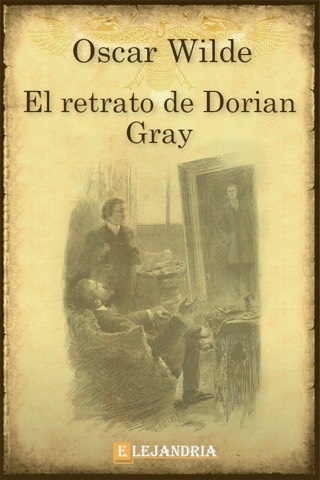
A young man stays beautiful while his portrait ages with every sin. Oscar Wilde’s only novel, in an anonymous Spanish translation.