La gallina degollada in Spanish, with English translation
Horacio Quiroga · 1909 · ~4,500 words · level B1–B2 · in English: The Decapitated Chicken
An illness leaves a couple’s four sons severely disabled, and all their hopes move to their healthy daughter. A short, brutal horror story by Quiroga.
Read the whole book free in Lexico In your browser. Tap any word for its meaning and keep it as a flashcard.The opening, as you read it in Lexico
The first 800 words of the Spanish text. Tap any sentence for its English translation, then any word for its meaning: that is what the app does on every page.
Todo el día, sentados en el patio en un banco, estaban los cuatro hijos idiotas del matrimonio Mazzini-Ferraz. Tenían la lengua entre los labios, los ojos estúpidos, y volvían la cabeza con la boca abierta.
All day, sitting on a bench in the yard, were the four idiotic children of the Mazzini-Ferraz marriage. They had their tongues between their lips, stupid eyes, and they turned their heads with their mouths open.
El patio era de tierra, cerrado al oeste por un cerco de ladrillos. El banco quedaba paralelo a él, a cinco metros, y allí se mantenían inmóviles, fijos los ojos en los ladrillos. Como el sol se ocultaba tras el cerco, al declinar los idiotas tenían fiesta. La luz enceguecedora llamaba su atención al principio, poco a poco sus ojos se animaban, se reían al fin estrepitosamente, congestionados por la misma hilaridad ansiosa, mirando el sol con alegría bestial, como si fuera comida.
The yard was dirt, closed on the west by a brick fence. The bench was parallel to it, five meters away, and there they stayed motionless, their eyes fixed on the bricks. As the sun set behind the fence, when it declined the idiots had a holiday. The blinding light caught their attention at first; little by little their eyes brightened, and finally they laughed loudly, congested with the same anxious hilarity, looking at the sun with bestial joy, as if it were food.
Otras veces, alineados en el banco, zumbaban horas enteras, imitando al tranvía eléctrico. Los ruidos fuertes sacudían asimismo su inercia, y corrían entonces, mordiéndose la lengua y mugiendo, alrededor del patio. Pero casi siempre estaban apagados en un sombrío letargo de idiotismo, y pasaban todo el día sentados en su banco, con las piernas colgantes y quietas, empapando de glutinosa saliva el pantalón.
Other times, lined up on the bench, they buzzed for hours, imitating the electric tram. The loud noises also shook their inertia, and they then ran around the yard, biting their tongues and mooing. But almost always they were turned off in a gloomy lethargy of idiocy, and spent all day sitting on their bench, with their legs hanging and still, soaking their pants with sticky saliva.
El mayor tenía doce años y el menor, nueve. En todo su aspecto sucio y desvalido se notaba la falta absoluta de un poco de cuidado maternal.
The oldest was twelve years old and the youngest, nine. In all his dirty and helpless appearance there was clearly an absolute lack of a little maternal care.
Esos cuatro idiotas, sin embargo, habían sido un día el encanto de sus padres. A los tres meses de casados, Mazzini y Berta orientaron su estrecho amor de marido y mujer y mujer y marido hacia un porvenir mucho más vital: un hijo: ¿Qué mayor dicha para dos enamorados que esa honrada consagración de su cariño, libertado ya del vil egoísmo de un mutuo amor sin fin ninguno y, lo que es peor para el amor mismo, sin esperanzas posibles de renovación?
Those four idiots, however, had once been their parents' delight. Three months after getting married, Mazzini and Berta focused their narrow love as husband and wife towards a much more vital future: a child: What greater joy for two lovers than that honorable consecration of their love, now freed from the vile selfishness of a mutual love with no end and, what is worse for love itself, with no possible hope of renewal?
Así lo sintieron Mazzini y Berta, y cuando el hijo llegó, a los catorce meses de matrimonio, creyeron cumplida su felicidad. La criatura creció, bella y radiante, hasta que tuvo año y medio. Pero en el vigésimo mes sacudiéronlo una noche convulsiones terribles, y a la mañana siguiente no conocía más a sus padres. El médico lo examinó con esa atención profesional que está visiblemente buscando la causa del mal, en las enfermedades de los padres.
Mazzini and Berta felt this way, and when the child arrived, at fourteen months of marriage, they believed their happiness was complete. The child grew, beautiful and radiant, until he was a year and a half old. But in the twentieth month terrible convulsions shook him one night, and the following morning he no longer recognized his parents. The doctor examined him with that professional attention that is visibly searching for the cause of the sickness, in the parents’ diseases.
Después de algunos días los miembros paralizados recobraron el instinto; pero la inteligencia, el alma, aún el instinto, se habían ido del todo; había quedado profundamente idiota, baboso, colgante, muerto para siempre sobre las rodillas de su madre.
After a few days the paralyzed limbs regained instinct; but the intelligence, the soul, even the instinct, had completely gone away; he had become profoundly idiotic, drooling, slack, dead forever on his mother’s knees.
—¡Hijo, mi hijo querido! —sollozaba ésta, sobre aquella espantosa ruina de su primogénito.
—Son, my dear son! —She sobbed, on that dreadful ruin of her firstborn.
El padre, desolado, acompañó al médico afuera.
The father, desolate, accompanied the doctor outside.
—A usted se le puede decir; creo que es un caso perdido. Podrá mejorar, educarse en todo lo que permita su idiotismo, pero no más allá.
You can be told; I think it is a lost case. He could improve, be educated in everything his idiocy would allow, but no further.
—¡Sí!… ¡sí!… —asentía Mazzini. —Pero dígame: ¿Usted cree que es herencia, que…?
—Yes!… yes!… Mazzini nodded. But tell me: do you think it’s inheritance, that...?
—En cuanto a la herencia paterna, ya le dije lo que creí cuando vi a su hijo. Respecto a la madre, hay allí un pulmón que no sopla bien. No veo nada más, pero hay un soplo un poco rudo. Hágala examinar bien.
As for the paternal inheritance, I already told you what I believed when I saw your son. Regarding the mother, there is a lung that does not sound right. I don’t see anything else, but there is a somewhat rough murmur. Have her examined well.
Con el alma destrozada de remordimiento, Mazzini redobló su amor a su hijo, el pequeño idiota que pagaba los excesos del abuelo. Tuvo asimismo que consolar, sostener sin tregua a Berta, herida en lo más profundo por aquel fracaso de su joven maternidad.
With his soul shattered by remorse, Mazzini redoubled his love for his son, the little idiot who paid for the grandfather’s excesses. He also had to console and support Berta tirelessly, wounded in the deepest part by that failure of her young motherhood.
Como es natural, el matrimonio puso todo su amor en la esperanza de otro hijo. Nació éste, y su salud y limpidez de risa reencendieron el porvenir extinguido. Pero a los diez y ocho meses las convulsiones del primogénito se repetían, y al día siguiente amanecía idiota.
Naturally, the couple put all their love into the hope of another child. This one was born, and his health and clear laughter rekindled the extinguished future. But at eighteen months the firstborn’s convulsions repeated, and the next day he awoke an idiot.
Esta vez los padres cayeron en honda desesperación. ¡Luego su sangre, su amor estaba maldito! ¡Su amor, sobre todo! Veintiocho años él, veintidós ella, y toda su apasionada ternura no alcanzaba a crear un átomo de vida normal. Ya no pedían más belleza e inteligencia como en el primogénito; pero un hijo, un hijo como todos!
This time the parents fell into deep despair. Then their blood, their love was cursed! Their love, above all! Twenty-eight years old he, twenty-two she, and all their passionate tenderness was not enough to create an atom of normal life. They no longer asked for more beauty and intelligence like with the firstborn; but a child, a child like everyone else!
Del nuevo desastre brotaron nuevas llamadaras de dolorido amor, un loco anhelo de redimir de una vez para siempre la santidad de su ternura. Sobrevinieron mellizos, y punto por punto repitióse el proceso de los dos mayores.
From the new disaster sprang new flames of painful love, a mad yearning to redeem once and for all the holiness of their tenderness. Twins came, and the same process of the two older ones repeated point by point.
Mas, por encima de su inmensa amargura, quedaba a Mazzini y Berta gran compasión por sus cuatro hijos. Hubo que arrancar del limbo de la más honda animalidad, no ya sus almas, sino el instinto mismo abolido. No sabían deglutir, cambiar de sitio, ni aún sentarse. Aprendieron al fin a caminar, pero chocaban contra todo, por no darse cuenta de los obstáculos. Cuando los lavaban mugían hasta inyectarse de sangre el rostro. Animábanse sólo al comer, cuando veían colores brillantes u oían truenos. Se reían entonces, echando afuera lengua y ríos de baba, radiantes de frenesí bestial. Tenían, en cambio, cierta facultad imitativa; pero no se pudo obtener nada más.
But above their immense bitterness, Mazzini and Berta still had great compassion for their four children. It was necessary to pull them out of the limbo of the deepest animality, not their souls anymore, but the very instinct abolished. They didn't know how to swallow, change positions, or even sit down. They finally learned to walk, but they kept bumping into everything because they didn’t realize the obstacles. When they were washed, they would moo until their faces were injected with blood. They were only encouraged to eat, when they saw bright colors or heard thunder. Then they laughed, sticking their tongues and rivers of saliva out, radiant with bestial frenzy. They had, on the other hand, a certain imitative faculty; but nothing more could be obtained.
Keep reading. The rest of La gallina degollada is free in Lexico, with the same sentence-by-sentence translation, every word explained in context, and flashcards from the words you look up.
Continue in LexicoWords from this passage
20 words from the opening worth knowing for the rest of the book, with the meaning they have here.
| Spanish | English |
|---|---|
| sentar | to sit down, have a seat |
| el patio | yard, patio |
| idiota | idiotic |
| el matrimonio | marriage, married couple |
| la lengua | tongue |
| el labio | lip |
| la cabeza | head |
| la boca | mouth, oral cavity |
| abierto | open |
| la tierra | land, ground (here: dirt) |
| el ladrillo | brick |
| inmóvil | motionless, immobile |
| fijo | fixed |
| el sol | sun |
| la luz | light |
| llamar | to call |
| la atención | attention |
| el principio | beginning, start |
| animar | to encourage |
| reír | to laugh |
More Spanish books with English translation
El almohadón de plumas
Horacio Quiroga · 1907 · ~1,000 words · level B1 · in English: The Feather Pillow
A young bride wastes away in a cold, silent house, and nobody can find out why. Horacio Quiroga’s best-known horror story, and the shortest book on Lexico.
Los ojos sombríos
Horacio Quiroga · ~6,000 words · level B2 · in English: The Dark Eyes
At a dance, a man just out of a break-up listens to an old friend’s tangled love story. Quiroga in a romantic, feverish mood.
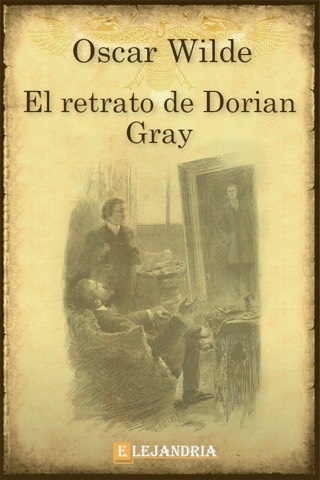
El retrato de Dorian Gray
Oscar Wilde · 1890 · Preface and chapters 1–2, ~10,500 words · level B2 · in English: The Picture of Dorian Gray
A young man stays beautiful while his portrait ages with every sin. Oscar Wilde’s only novel, in an anonymous Spanish translation.