La barraca in Spanish, with English translation
Vicente Blasco Ibáñez · 1898 · Opening, ~719 words · level B2–C1 · in English: The Cabin
Dawn over the market gardens of Valencia. On land that the neighbours have sworn nobody shall farm again, a family of strangers arrives to work it. Blasco Ibáñez’s novel of a rural feud.
Add the whole book to your wishlist Only the opening is ready so far. Free: the books readers ask for most are the next ones we prepare in full. Read the opening in Lexico.The opening, as you read it in Lexico
The first 700 words of the Spanish text. Tap any sentence for its English translation, then any word for its meaning: that is what the app does on every page.
Desperezóse la inmensa vega bajo el resplandor azulado del amanecer, ancha faja de luz que asomaba por la parte del Mediterráneo.
The vast huerta stretched itself awake beneath the bluish glow of dawn, a broad band of light rising over the Mediterranean side.
Los últimos ruiseñores, cansados de animar con sus trinos aquella noche de otoño, que por lo tibio de su ambiente parecía de primavera, lanzaban el gorjeo final como si les hiriese la luz del alba con sus reflejos de acero. De las techumbres de paja de las barracas salían las bandadas de gorriones como un tropel de pilluelos perseguidos, y las copas de los árboles empezaban á estremecerse bajo los primeros jugueteos de estos granujas del espacio, que todo lo alborotaban con el roce de sus blusas de plumas.
The last nightingales, tired of enlivening that autumn night with their trills, which for the mildness of its air seemed like spring, were pouring out their final warble as if the light of dawn were wounding them with its steel-like reflections. From the straw roofs of the huts flew flocks of sparrows like a troop of pursued urchins, and the treetops began to tremble beneath the first frolicking of these rascals of space, who stirred everything up with the brushing of their feather blouses.
Apagábanse lentamente los rumores que habían poblado la noche: el borboteo de las acequias, el murmullo de los cañaverales, los ladridos de los mastines vigilantes.
The sounds that had filled the night were slowly dying away: the bubbling of the irrigation ditches, the murmur of the canebrakes, the barking of the watchful mastiffs.
Despertaba la huerta, y sus bostezos eran cada vez más ruidosos. Rodaba el canto del gallo de barraca en barraca. Los campanarios de los pueblecitos devolvían con ruidoso badajeo el toque de misa primera que sonaba á lo lejos, en las torres de Valencia, esfumadas por la distancia. De los corrales salía un discordante concierto animal: relinchos de caballos, mugidos de vacas, cloquear de gallinas, balidos de corderos, ronquidos de cerdos; un despertar ruidoso de bestias que, al sentir la fresca caricia del alba cargada de acre perfume de vegetación, deseaban correr por los campos.
The huerta was waking up, and its yawns were getting louder and louder. From hut to hut the cock's crow rolled along. The bell towers of the little villages were answering back with noisy clanging the first mass bell that rang in the distance, from the towers of Valencia, blurred by the distance. From the pens came a discordant animal concert: neighing of horses, lowing of cows, clucking of hens, bleating of lambs, grunting of pigs; a noisy awakening of beasts who, feeling the cool caress of dawn laden with the sharp scent of vegetation, longed to run across the fields.
El espacio se empapaba de luz; disolvíanse las sombras, como tragadas por los abiertos surcos y las masas de follaje. En la indecisa neblina del amanecer iban fijando sus contornos húmedos y brillantes las filas de moreras y frutales, las ondulantes líneas de cañas, los grandes cuadros de hortalizas, semejantes á enormes pañuelos verdes, y la tierra roja cuidadosamente labrada.
The air was soaked with light; the shadows dissolved, as if swallowed up by the open furrows and the masses of foliage. In the uncertain mist of dawn the rows of mulberry and fruit trees, the undulating lines of reeds, the large plots of vegetables, resembling enormous green handkerchiefs, were gradually fixing their moist, shining outlines, and the red earth, carefully tilled.
Animábanse los caminos con filas de puntos negros y movibles, como rosarios de hormigas, marchando hacia la ciudad. De todos los extremos de la vega llegaban chirridos de ruedas, canciones perezosas interrumpidas por el grito que arrea á las bestias, y de vez en cuando, como sonoro trompetazo del amanecer, rasgaba el espacio un furioso rebuzno del cuadrúpedo paria, como protesta del rudo trabajo que pesaba sobre él apenas nacido el día.
The roads came alive with rows of black, moving dots, like rosaries of ants marching toward the city. From all the ends of the huerta came the screech of wheels and lazy songs interrupted by the shout that drives the beasts, and from time to time, like the resounding trumpet of dawn, a furious bray of the pariah quadruped tore through the air, as a protest against the harsh labor weighing upon it, the day barely born.
En las acequias conmovíase la tersa lámina de cristal rojizo con chapuzones que hacían callar á las ranas; sonaba luego un ruidoso batir de alas, é iban deslizándose los ánades lo mismo que galeras de marfil, moviendo cual fantásticas proas sus cuellos de serpiente.
In the irrigation ditches the smooth sheet of reddish crystal was stirred by splashes that silenced the frogs; then came a noisy beating of wings, and the ducks went gliding along like ivory galleys, moving their serpent necks like fantastic prows.
La vida, que con la luz inundaba la vega, iba penetrando en el interior de barracas y alquerías.
Life, which with the light was flooding the huerta, was penetrating the interior of huts and farmhouses.
Chirriaban las puertas al abrirse, veíanse bajo los emparrados figuras blancas que se desperezaban con las manos tras el cogote, mirando el iluminado horizonte. Quedaban de par en par los establos, vomitando hacia la ciudad las vacas de leche, los rebaños de cabras, los caballejos de los estercoleros. Entre las cortinas de árboles enanos que ensombrecían los caminos vibraban cencerros y campanillas, y cortando este alegre cascabeleo sonaba el enérgico «¡arre, aca!» animando á las bestias reacias.
The doors creaked as they opened; under the trellises figures in white could be seen stretching, hands behind their necks, gazing at the sunlit horizon. The stables stood wide open, spewing toward the city the milk cows, the flocks of goats, the little horses from the dung heaps. Among the curtains of dwarf trees that shaded the roads, cowbells and little bells vibrated, and cutting through this cheerful jingling rang the energetic 'Giddy up, there!' urging on the stubborn beasts.
En las puertas de las barracas saludábanse los que iban hacia la ciudad y los que se quedaban á trabajar los campos.
At the doors of the huts people greeted one another, those heading to the city and those staying behind to work the fields.
—¡Bòn día mos done Deu!.
Good morning, may God grant us a good day!
—¡Bòn día!
Good day!
Y tras este saludo, cambiado con toda la gravedad propia de una gente que lleva en sus venas sangre moruna y sólo puede hablar de Dios con gesto solemne, se hacía el silencio si el que pasaba era un desconocido, y si era íntimo, se le encargaba la compra en Valencia de pequeños objetos para la mujer ó para la casa.
And after this greeting, exchanged with all the gravity proper to a people who carry Moorish blood in their veins and can speak of God only with a solemn air, silence fell if the passer-by was a stranger, and if he was an intimate, he was asked to buy small items in Valencia for the wife or for the house.
Ya era de día completamente.
It was already fully day.
El espacio se había limpiado de tenues neblinas, transpiración nocturna de los húmedos campos y las rumorosas acequias. Iba á salir el sol. En los rojizos surcos saltaban las alondras con la alegría de vivir un día más, y los traviesos gorriones, posándose en las ventanas todavía cerradas, picoteaban las maderas, diciendo á los de adentro con su chillido de vagabundos acostumbrados á vivir de gorra: «¡Arriba, perezosos! ¡A trabajar la tierra, para que comamos nosotros!...»
The air had cleared of faint mists, the nocturnal exhalation of the damp fields and the murmuring irrigation ditches. The sun was about to rise. In the reddish furrows larks leapt with the joy of living one more day, and the mischievous sparrows, perching on the windows still shut, pecked at the wood, calling to those inside with the chirp of vagabonds used to living off the sly: 'Up, lazybones! Go work the land, so that we can eat!...'
En la barraca de Tòni, conocido en todo el contorno por Pimentó, acababa de entrar su mujer, Pepeta, una animosa criatura, de carne blancuzca y flácida en plena juventud, minada por la anemia, y que era sin embargo la hembra más trabajadora de toda la huerta.
In Tòni's hut, known throughout the whole neighborhood as Pimentó, his wife had just come in, Pepeta, a spirited creature, of pale and flabby flesh in the prime of youth, undermined by anemia, and who nevertheless was the most hardworking female in the whole huerta.
Want the rest? Lexico has the opening of La barraca so far. Add the book to your wishlist: the titles readers ask for most are the next ones we prepare in full, with the same sentence-by-sentence translation, every word explained in context, and flashcards from the words you look up.
Add the whole book to your wishlistWords from this passage
20 words from the opening worth knowing for the rest of the book, with the meaning they have here.
| Spanish | English |
|---|---|
| desperezar | to stretch |
| inmenso | vast |
| el resplandor | radiance, glare |
| azulado | bluish, blue colored |
| ancho | broad |
| la faja | strip, band |
| asomar | to show |
| la parte | side |
| último | last |
| el ruiseñor | nightingale |
| cansado | tiring (here: tired) |
| el trino | chirp (here: trills) |
| la noche | night |
| el otoño | autumn, fall |
| tibio | mild |
| el ambiente | air |
| parecer | to seem, to see fit |
| la primavera | spring |
| lanzar | to emit, let out |
| el gorjeo | warble |
More Spanish books with English translation
El almohadón de plumas
Horacio Quiroga · 1907 · ~1,000 words · level B1 · in English: The Feather Pillow
A young bride wastes away in a cold, silent house, and nobody can find out why. Horacio Quiroga’s best-known horror story, and the shortest book on Lexico.
La gallina degollada
Horacio Quiroga · 1909 · ~4,500 words · level B1–B2 · in English: The Decapitated Chicken
An illness leaves a couple’s four sons severely disabled, and all their hopes move to their healthy daughter. A short, brutal horror story by Quiroga.
Los ojos sombríos
Horacio Quiroga · ~6,000 words · level B2 · in English: The Dark Eyes
At a dance, a man just out of a break-up listens to an old friend’s tangled love story. Quiroga in a romantic, feverish mood.
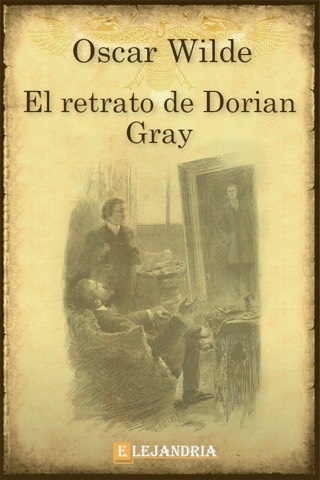
El retrato de Dorian Gray
Oscar Wilde · 1890 · Preface and chapters 1–2, ~10,500 words · level B2 · in English: The Picture of Dorian Gray
A young man stays beautiful while his portrait ages with every sin. Oscar Wilde’s only novel, in an anonymous Spanish translation.